Road Surveys in the Sea to Sky
Professional Road Surveys in the Sea to Sky, establishing legal boundaries, alignments, horizontal curves, and geometric layouts for strata roads, forest service roads, access roads or highways.
Whether designing new transportation infrastructure, dedicating public access for a major municipal subdivision, or resolving historical access rights in the Sea to Sky, the establishment and surveying of roads is an intensely regulated legal process.
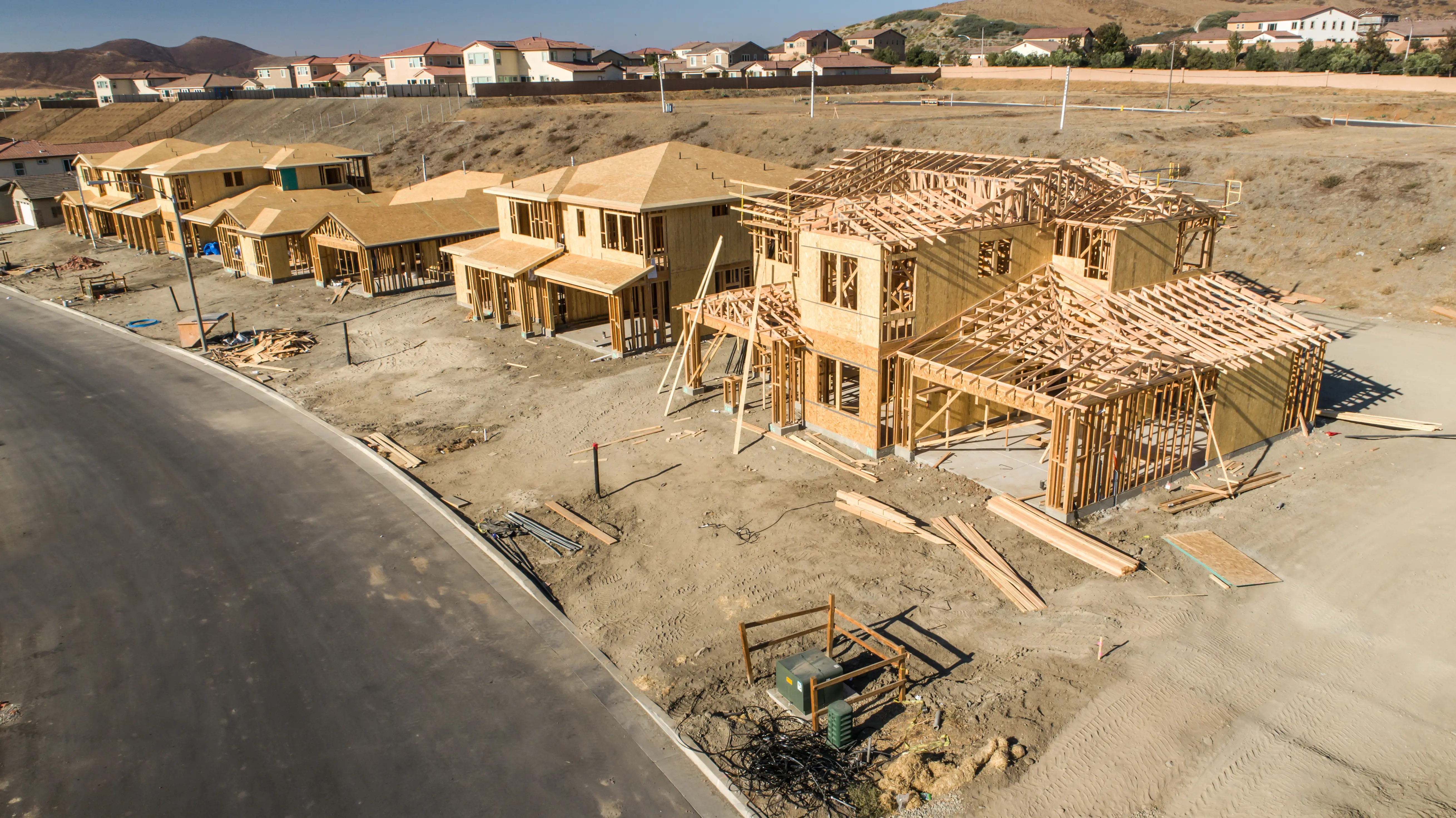
The design and creation of road sits at the intersection of provincial statutes, municipal regulations and provincial engineering design standards, and are routinely required to successfully subdivide or stratify a parcel of land. Tantalus Geomatics Land Surveying provides the professional services necessary to support the design, survey and registration of new roads.
Why Choose Tantalus Geomatics?
Our team combines local Sea to Sky expertise with state-of-the-art surveying technology. We deliver highly accurate, BCLS-certified plans that streamline your municipal permit approvals and protect your property investments.
Other Construction Surveys
Our Road Surveys Process in the Sea to Sky
How do we ensure accuracy and efficiency in our land surveying projects?
Research
The BCLS accesses the Land Title and Survey Authority of British Columbia (LTSA) to retrieve current Certificates of Title, historical subdivision plans, original Crown grants, and surveyor field notes. Because roads can be established through unconventional means, the BCLS must also research the Ministry of Transportation and Transit (MoTT) Road Registers, historical Gazette notices, and court orders to determine if any roads presently exist on the parcel(s) under investigation. This systematic research phase ensures that the BCLS fully understands the legal fabric of the proposed road corridor before our crews arrive on site in the Sea to Sky.
Field Work
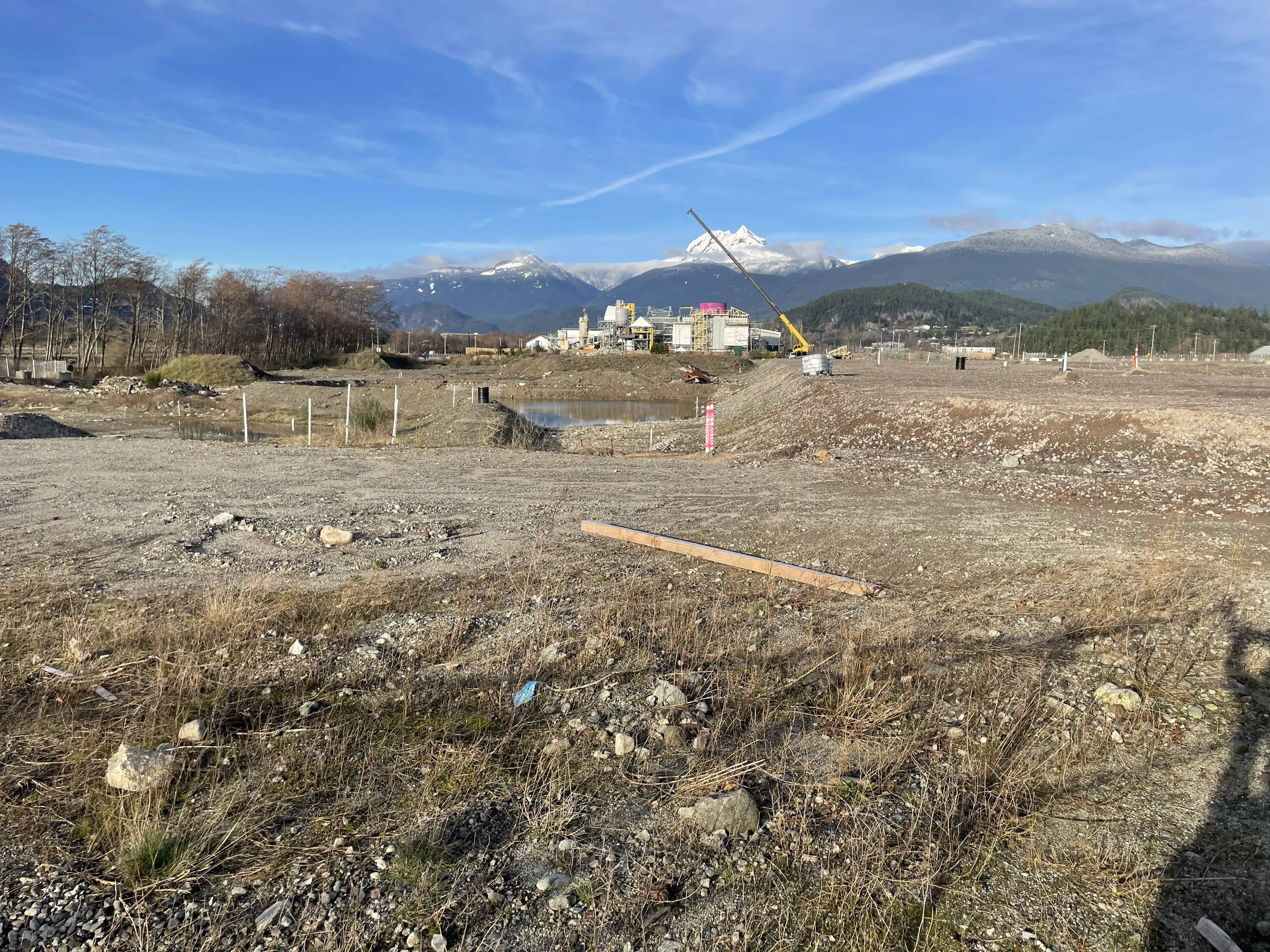
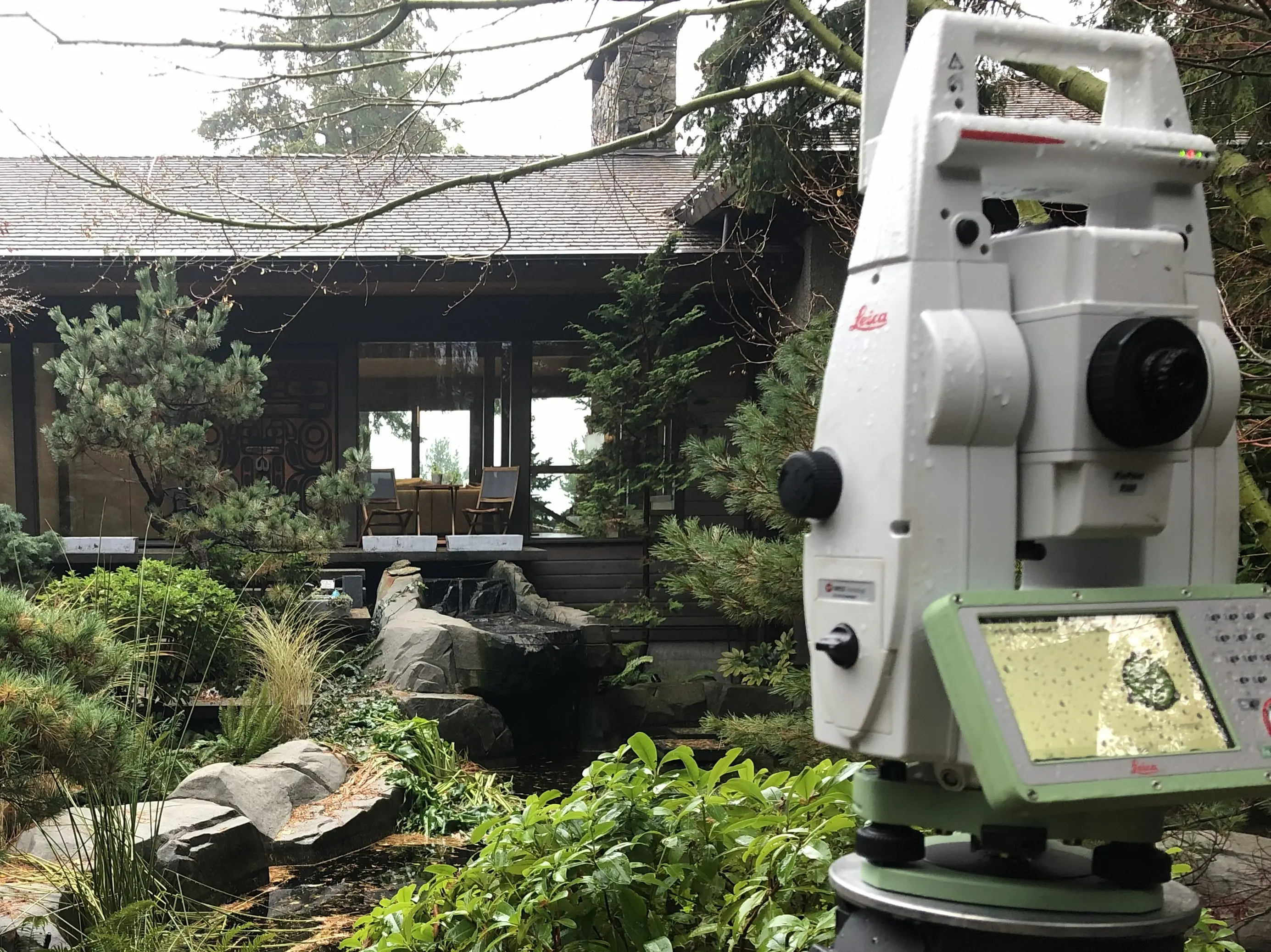
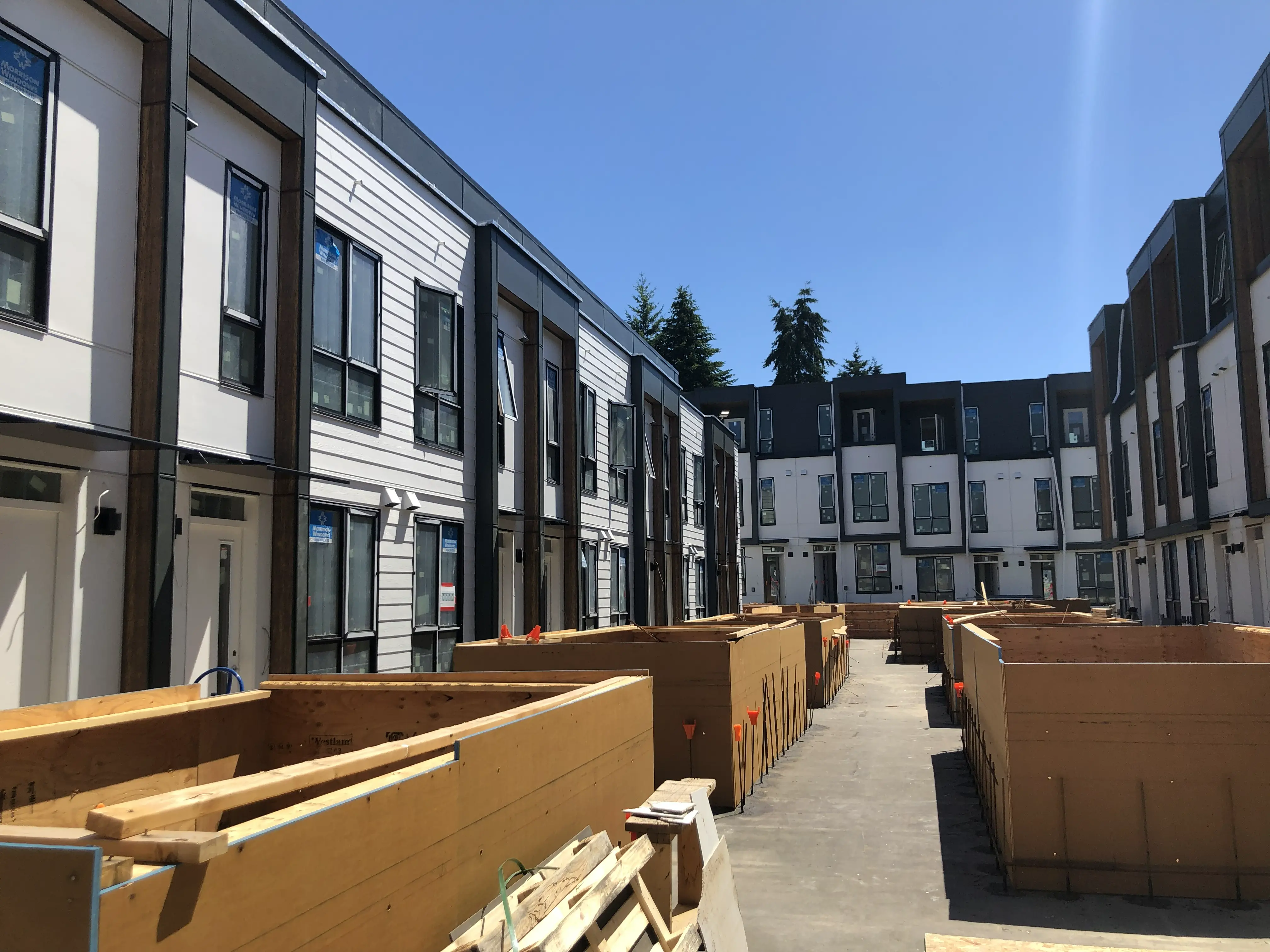
Before the road corridor can be legally defined, the parent parcel boundaries must be re-established on the ground. The ruggedness of the terrain, the density of the vegetation, and the requirement for active traffic management directly impact the scope of the field work and the time required to complete the survey. During initial route planning and reconnaissance, our survey crews use Aerial Drone Lidar and Aerial Photogrammetry to capture the site's topography amidst existing vegetation. Subsequently, our crews support the active construction of the road by marking key features and grade changes along the proposed route. To define the road boundaries, our survey crews place durable survey monuments at the start and end of the survey, at points of curve or deflection, and at intermediate points so that the distance between posts does not exceed 1 kilometre.
Plan Preparation
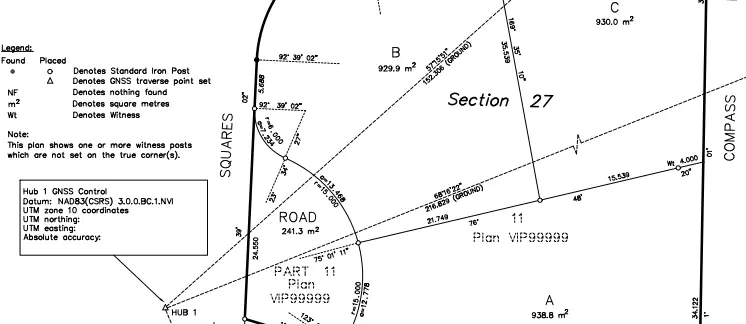
Our technologists translate the precise 3D field data into a highly regulated statutory and non-statutory plans, such as a Reference Plan under Section 107 of the Land Title Act or a topographic plan to support planning and design. The BCLS reviews and certifies the plans, and any plan creating a new road is provided to your legal counsel for registration at the LTSA, legally dedicating the highway to the public.
What professional documents and markers do you receive upon project completion?
Certified Legal Plans
Digitally certified PDF Topographic Plans, Reference Plans, Subdivision Plans, or Crown Land Plans, fully compliant with LTSA and Surveyor General standards, ready for your design team or legal deposit to dedicate the road.
Property Corner Monumentation
Standard iron posts, lead plugs, or capped concrete posts securely set in the ground to permanently mark the boundaries, curves, and deflections of the highway corridor.
Topographic 3D CAD Files
digital drawing files (DWG/DXF) mapping the road boundaries, existing infrastructure, and site topography for integration by your civil engineers and design teams.
Point Clouds and Orthoimages
Dense 3D Terrestrial LiDAR scan data and high-resolution aerial imagery providing a complete digital twin of the project site and existing constructed road surfaces.
Frequently Asked Questions
Get answers to common questions about our land surveying services.
Local Resources for the Sea to Sky
Where can you find official topographic and permit checklists for the Sea to Sky?
Service Gallery
Field photos, survey plans, and technical captures from our projects.